Cessna Nose Gear Strut Assembly: Front Landing Gear Maintenance Solution
Cessna Nose Gear Strut Assembly: Front Landing Gear Maintenance Solution
Blog Article
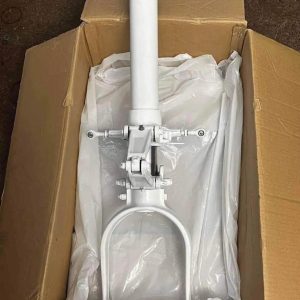
The Cessna Nose Gear Strut Assembly should be selected only after confirming the aircraft model, serial-number range, mounting arrangement, dimensions, included hardware, inspection history, and technical documentation.
A Cessna Nose Landing Gear Strut may form part of a broader Cessna Nose Gear Assembly, while the phrase Cessna Landing Gear Strut can describe different positions or configurations depending on the aircraft model.
Clear descriptions help buyers determine whether the listing includes a complete assembly, partial strut, housing, piston, fork, or related hardware.
A Cessna Nose Wheel Strut must maintain appropriate geometry and movement for predictable ground handling.
The Cessna Steering Strut Assembly, Cessna Replacement Nose Gear, and General Aviation Landing Gear Parts keywords describe commercially relevant searches for maintenance and restoration projects.
Why Exact Landing Gear Identification Matters
A unit should not be accepted as compatible solely because it came from an aircraft within the same general Cessna family.
Missing components can significantly affect total project cost and installation planning.
Understanding Ground Loads on the Front Gear
System-level evaluation is essential when selecting or inspecting the component.
Repeated hard landings, runway excursions, towing incidents, shimmy, improper servicing, corrosion, click here and maintenance errors can affect both the strut and nearby structure.
Maintaining Controlled Compression
A shock strut is designed to compress and extend in a controlled manner as the aircraft encounters landing and ground loads.
The aircraft’s actual loaded condition affects visible strut extension and should be considered during evaluation.
Evaluating Ground Steering Geometry
Each component should move smoothly and remain free from excessive play, binding, distortion, corrosion, and unsuitable modification.
Professional adjustment protects the Cessna Steering Strut Assembly and connected components.
Avoiding Universal Cessna Fitment Claims
Two aircraft with similar outward appearance may use different struts, forks, cylinders, steering features, hardware, or mounting arrangements.
Cross-reference information should be verified carefully and should include any required supersedures or installation changes.
Cylinder, Piston, and Sliding-Surface Inspection
Sliding and sealing surfaces must remain within acceptable condition because defects can damage seals and contribute to leakage or sticking.
Qualified inspection protects the long-term value of the Cessna Landing Gear Strut.
Understanding Strut Seal Maintenance
Accurate leak evaluation supports dependable Cessna Nose Landing Gear Strut operation.
Professional service supports reliable shock absorption and reduced maintenance recurrence.
Maintaining Protective Finishes
Surface discoloration should be evaluated rather than dismissed automatically as cosmetic.
Fastener holes, fork transitions, cylinder ends, and welded or machined areas deserve close attention.
Determining the Need for Nondestructive Testing
The assembly should be inspected for cracks, bending, twisting, damaged welds, distorted mounting features, and impact marks.
The seller should disclose the donor aircraft’s removal reason and known incident history.
Inspecting the Cessna Nose Wheel Strut
Fork alignment influences wheel tracking, steering response, tire wear, and clearance around fairings or nearby components.
Incorrect wheel spacing or fork alignment can create uneven loading and interference.
Torque Links, Bushings, and Pivot Points
Tightening hardware alone may not correct worn bushings or elongated holes.
System-level maintenance protects the Aircraft Nose Landing Gear Assembly.
Reducing Repetitive Landing Gear Wear
Replacing the strut assembly alone may not correct the concern if other components remain defective.
Tire condition should be reviewed together with the strut, wheel, fork, axle, and steering components.
Avoiding Incorrect Landing Gear Servicing
The strut should be serviced using clean equipment and controlled procedures.
Extension should be evaluated under the loading condition specified by applicable maintenance data.
Evaluating Internal and External Components
A seal replacement or exterior repaint does not necessarily constitute a complete overhaul.
Reconditioning decisions depend on structural condition, dimensional limits, corrosion depth, surface damage, repair data, parts availability, and cost.
Pre-Purchase Inspection Checklist
The seller should provide photographs of every side, including the cylinder, piston, fork, axle, torque links, steering features, mounts, hardware, identification markings, and damaged areas.
- Confirm the complete Cessna part number, dash number, serial or casting markings, aircraft model, serial-range applicability, strut type, dimensions, and configuration.
- Inspect or document corrosion, cracks, bends, scoring, pitting, leakage, chrome damage, worn bushings, loose pivots, elongated holes, damaged threads, fork alignment, and previous repairs.
- Confirm the sales invoice, payment protection, packaging method, freight insurance, inspection period, return terms, and stated assembly condition.
Preventing Damage to the Piston and Fork
The assembly should be secured in a rigid crate or suitable container that supports its weight without loading the piston, fork, fittings, steering components, or delicate surfaces.
The component should remain immobilized so it cannot roll, slide, or strike the container during transportation.
Preventing Corrosion and Seal Damage
The piston surface should remain covered without using materials that promote corrosion or seal deterioration.
Extended storage may require renewed inspection, seal evaluation, cleaning, servicing, and corrosion review before installation.
Completing Wheel and Strut Alignment
Incorrect bolts, improvised spacers, damaged threads, or forced alignment should not be accepted.
Disciplined workmanship supports reliable Cessna Front Landing Gear Assembly operation.
A ground check should not replace required maintenance inspection or technical documentation.
Routine Inspection and Preventive Maintenance
Lubrication and servicing should follow the applicable maintenance schedule.
Preventive care protects the aircraft, occupants, and landing-gear components.
Landing Gear Ownership and Installation Costs
Clean paint may improve presentation but does not replace structural, dimensional, and functional evaluation.
Buyers should compare complete and documented packages rather than price alone.
Final Thoughts on the Cessna Nose Landing Gear Strut
For a properly matched Cessna aircraft, the assembly can support dependable ground handling when professionally inspected, serviced, installed, and maintained.
Buyers should request current photographs, accurate measurements, transparent condition information, professional inspection details, protected freight arrangements, secure transaction terms, and qualified maintenance review.
Whether the assembly is purchased for maintenance, overhaul, restoration, spare inventory, resale, or an aircraft project, transparent information and qualified oversight provide the strongest foundation.
With prompt attention to leakage, scoring, corrosion, shimmy, tire wear, loose bushings, steering play, impact events, and abnormal compression, the installation can preserve its operating potential.
Report this page